Wood Windows Hybrid Windows Double Hybrid Windows

Find the right type of windows for you in 4 easy steps.
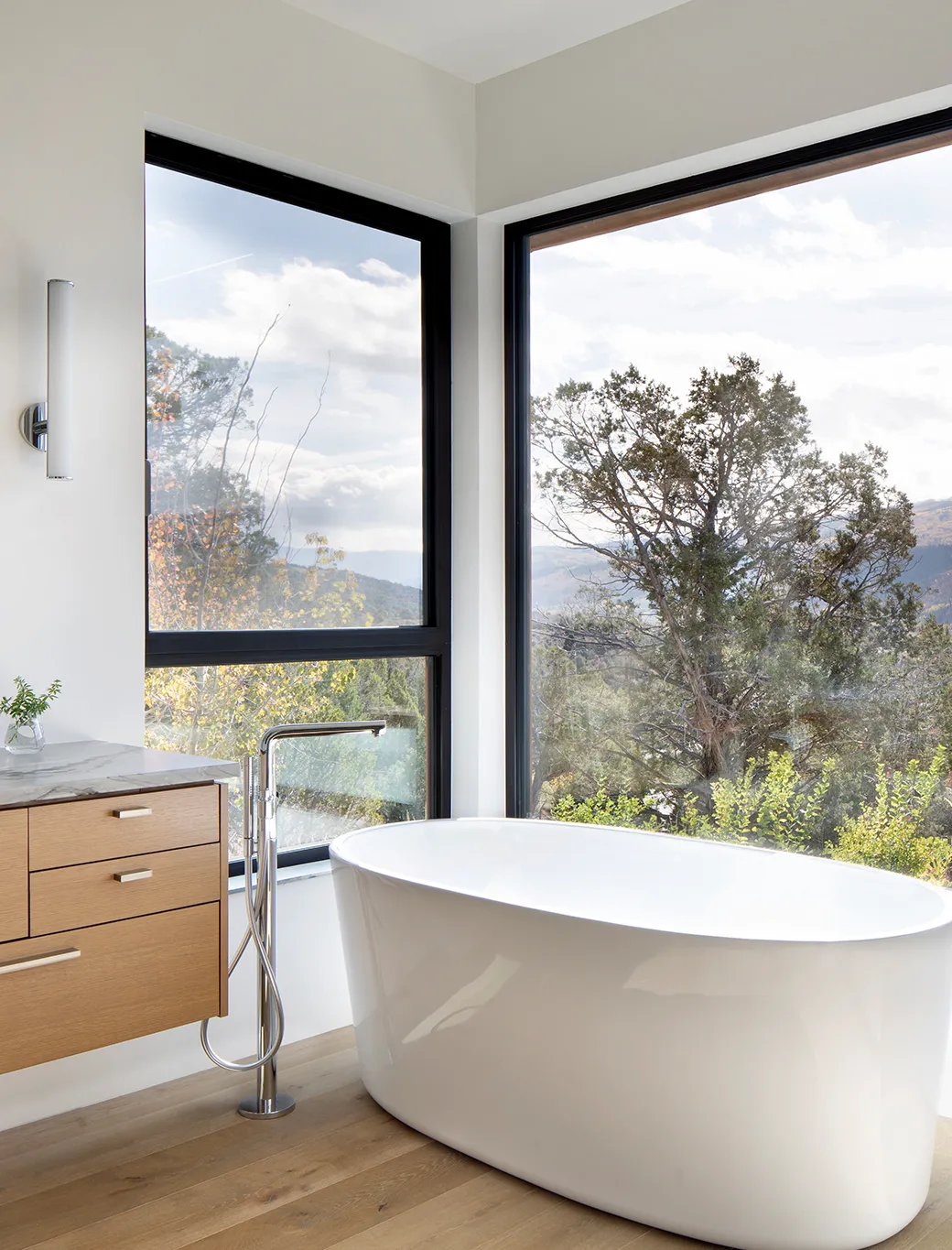
Fenetre Header Juniper 0061

Find the right type of windows for you in 4 easy steps.
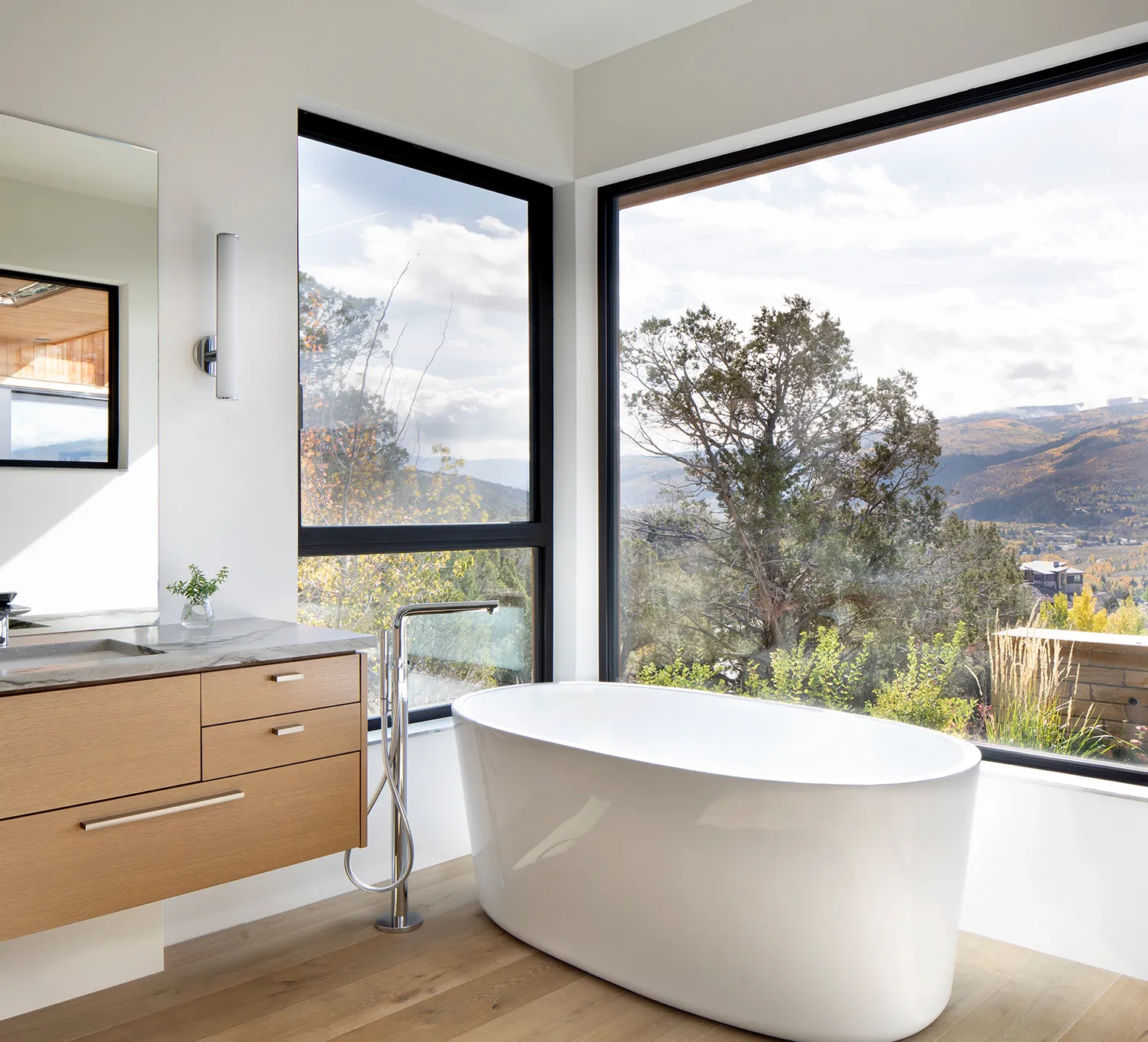
Fenetre Header Juniper 0061

Find the right type of windows for you in 4 easy steps.

Fenetre Header Juniper 0061

Find the right type of windows for you in 4 easy steps.

Fenetre Header Juniper 0061

Find the right type of windows for you in 4 easy steps.

Fenetre Header Juniper 0061

Find the right type of windows for you in 4 easy steps.

Fenetre Header Juniper 0061

Find the right type of windows for you in 4 easy steps.

Fenetre Header Juniper 0061
Folding Doors Garage doors
Porte Header Novatech Pure2
Facade Reynaers129548 Header Secondaire

Why Are Some Doors and Windows Quotes Almost Twice as Cheap as Others?

Image d'un enfant et d'un chien

You have received three quotes to replace your doors and windows.

The first one comes in at $18,000.

The second, $25,000.

And the third, $34,000.

How is it possible for the same project to show such a wide price gap when, at first glance, the products appear similar?

It is probably one of the questions we are asked most often.

The answer is more nuanced than many people realize: a lower price is not necessarily a bad thing. And a higher price is not automatically synonymous with quality.

What matters most is understanding what lies behind each quotation.

When comparing the price of doors and windows, you should not look only at the total amount at the bottom of the page. You also need to compare the type of window, the glazing, the energy performance, the dimensions, the installation method, the warranties, and the evidence supporting the stated performance.

In other words, before comparing prices, you need to compare what you are actually buying.


1. The products are not always comparable

Two windows may look identical at first glance and yet be very different.

The material used, profile design, wall thickness, frame rigidity, hardware, glazing type, colour options, and internal components can all influence the price.

A standard PVC window, a hybrid window with aluminum cladding, an architectural aluminum window, or a very high energy-performance window are not designed to meet the same needs.

They should therefore not be compared based on price alone.

Before choosing the lowest quote, ask a simple question:

Are the products being offered truly equivalent?

Often, the answer is no.


2. Performance can vary tremendously

Not all windows are designed to deliver the same level of performance.

Air tightness, water resistance, wind resistance, energy efficiency, structural strength, and comfort near the window can vary significantly from one product to another.

And these differences are not always visible.

A window may look impressive in a showroom, but that does not tell you how it will perform after several winters, during driving rain, in high winds, or in a home exposed to extreme cold.

In an industry where it can be difficult to distinguish promises from actual performance, it is useful to pay attention to demonstrable data.

At Isothermic, the performance we communicate is validated through testing conducted by independent laboratories.

Because, in the end, performance only has value if it can be proven.


3. Glazing has a major impact on the price of a quotation

Glazing represents a significant portion of a window's performance.

Two quotations may include windows of similar dimensions while offering very different glazing packages.

For example:

  • Double glazing or triple glazing
  • Different types of Low-E energy-efficient glass
  • Argon gas or alternative gas fills
  • Higher-performance spacers
  • Different glass thicknesses
  • Acoustic glass or safety glass
  • Improved thermal performance
  • Enhanced solar control

Triple glazing may cost more than double glazing, but it can also provide better thermal comfort, improved energy efficiency, and sometimes enhanced acoustic performance, depending on the selected composition.

Conversely, a well-designed double-glazed unit may sometimes be more appropriate than triple glazing that is poorly suited to the project.

The real question is therefore not simply: double or triple glazing?

Rather, it is: Which glazing solution is best suited to your home, your budget, and your comfort goals?


4. Installation can completely change the value of a quotation

A price difference does not come solely from the product.

It can also come from the installation.

This is a point that homeowners often underestimate. Yet even a high-performance window can lose a significant portion of its value if it is poorly installed. Conversely, meticulous installation can improve comfort, airtightness, and the durability of the project.

Some quotations include a more comprehensive approach: opening preparation, insulation, finishing work, membranes, weatherproofing, management of unforeseen conditions, site protection, and quality execution.

Others focus on the essentials.

This does not mean that one approach is automatically bad. But it is important to understand what is included.


Before signing, ask:

  • What is included in the installation?
  • What is excluded?
  • Who will perform the work?
  • How will airtightness be ensured?
  • How will unforeseen conditions be handled?
  • What finishing work is included?
  • What warranty applies to the installation?


In doors and windows, the product matters. The installation does too.


5. The 8 Factors That Often Explain a Price Difference

If one quotation is significantly less expensive than another, that is not necessarily a problem.

But the difference should be explainable.


Here are the factors that can influence the cost of a doors and windows project:


Product Type

PVC, hybrid, aluminum, wood, patio doors, entry doors, glazed walls, or architectural products.

Glazing

Double glazing, triple glazing, Low-E glass, argon gas, spacers, acoustic glass, or safety glass.

Energy Performance

U-value, energy efficiency, comfort near the window, and the ability to reduce heat loss.

Tested Performance

Air tightness, water resistance, wind resistance, and structural ratings.

Dimensions and Configurations

Large openings, fixed windows, casement windows, sliding windows, patio doors, specialty shapes, or custom projects.

Aesthetic Options

Exterior colours, lamination, aluminum cladding, interior finishes, grilles, or specialized hardware.

Installation Method

Basic installation, full-service installation, replacement with finishing work, membrane management, and weatherproofing treatment.

Warranty and After-Sales Service

Warranty duration, clarity of exclusions, local presence, post-installation follow-up, and the manufacturer's ability to support the product over time.

It is often the combination of these elements that explains why two quotations can differ so significantly.


6. What You Should Compare in a Quotation

Here is a simple way to evaluate a quotation beyond the total price.


Element to CompareMore Budget-Friendly QuotationMore Comprehensive Quotation
Window TypeMore standard productProduct better suited to the project
GlazingBasic glazing packageEnergy-efficient, acoustic, or higher-performance glazing
PerformanceLimited available dataTested and documented performance
InstallationSimpler approachMore comprehensive method adapted to the building
OptionsLimited choicesExpanded colours, finishes, hardware, or configurations
WarrantyMore limited or less detailed warrantyClearer, more structured, and better-explained warranty
ServiceFaster transactionMore complete guidance, advice, and follow-up


The goal is not to automatically choose the most expensive quotation. It is to understand whether the price truly reflects the value being offered.


7. "I Just Want to Replace My Windows"

It is a phrase many homeowners say—and understandably so.

After all, few people dream of becoming doors and windows experts. They simply want to replace aging products, improve their comfort, and move on.

But behind what appears to be a simple decision often lie several important choices: the desired level of performance, the type of product, the expected durability, comfort, aesthetics, maintenance requirements, and the priorities unique to the home.

A century-old house, a cottage, a new build, a semi-detached home, a condominium, or a residence exposed to strong winds will not necessarily have the same needs.

Replacing your windows does not have to be complicated. But it does deserve a few thoughtful questions before comparing price alone.


8. The Cheapest Option Today Is Not Always the Most Economical in the Long Run

A lower quotation can sometimes represent an excellent decision.

But it is also worth looking beyond the initial cost.

Everyday comfort, component durability, energy performance, installation quality, and product longevity can all influence the true value of an investment over time.

A difference in price upfront does not necessarily translate into a difference in cost over 20 or 30 years.

The real question is therefore not simply: "How much does it cost today?"

It is also: "What value will this choice bring me over the years?"


9. The Proof You Should Ask for Before Signing

Before choosing a doors and windows quotation, ask for simple proof.


Not just claims.

For example:

  • The product's energy performance ratings
  • Results from independent laboratory testing
  • Air, water, and wind performance ratings
  • Applicable certifications
  • Details of the proposed glazing package
  • A clear description of the installation process
  • Exclusions
  • Product warranties
  • Installation warranties
  • Realistic timelines
  • After-sales service


A good quotation should help you understand what you are buying. It should not simply give you a price.


10. Not All Quotations Reflect the Same Approach

Some companies offer a more standardized approach.

Others take more time to understand the type of home, the client's priorities, the home's exposure, comfort expectations, and the specific characteristics of the project before making a recommendation.

There is no single right way to do it.

Some customers are primarily looking for an economical solution. Others want to maximize energy performance, reduce drafts, improve acoustics, modernize the appearance of their home, or invest in a more durable product.

The best choice depends first and foremost on your reality.

But in every case, you should understand why one quotation costs less—or more—than another.


More Than a Number at the Bottom of the Page

The lowest price is not necessarily a mistake.

The highest price is not automatically a guarantee of quality.

A quotation is, above all, a combination of choices, materials, performance levels, installation practices, warranties, and priorities.

The more you understand what you are buying, the greater the chances that you will make a decision you will still appreciate 20 years from now.

Because a good purchase is not simply the one that costs less.

It is the one that truly aligns with your home, your expectations, and the value you are seeking over the long term.


To connect with an Isothermic advisor, click here.

Minimum has never been an ambition™.

Related articles

Discover other articles related to this one.
  • Isothermic Sid Lee Photo Copyright Alex Lesage 3
    Well-being at home

    What is the best window for your home in Canada?

  • Photo by Coen Staal
    Well-being at home

    Choosing the Right Low-E Glass for Better Comfort

  • 823 Girolles001 copie
    Well-being at home

    Window and Door Grants in Québec: Financial Assistance Programs to Know Before Renovating