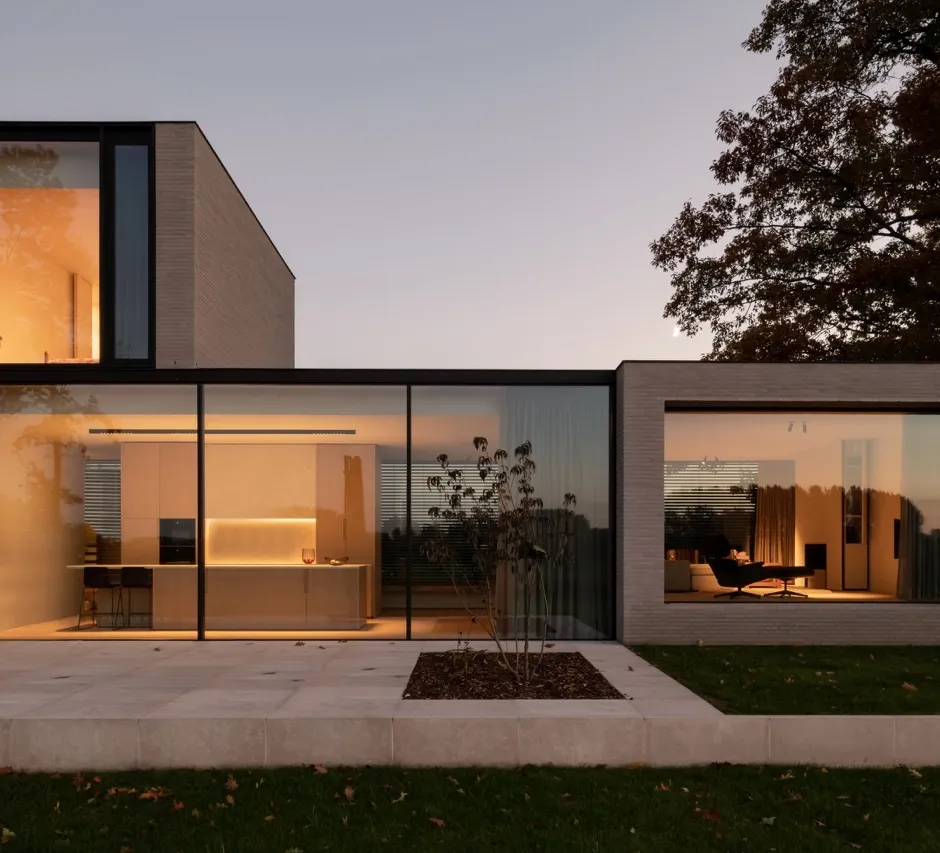
Wood Windows Hybrid Windows Double Hybrid Windows

Find the right type of windows for you in 4 easy steps.
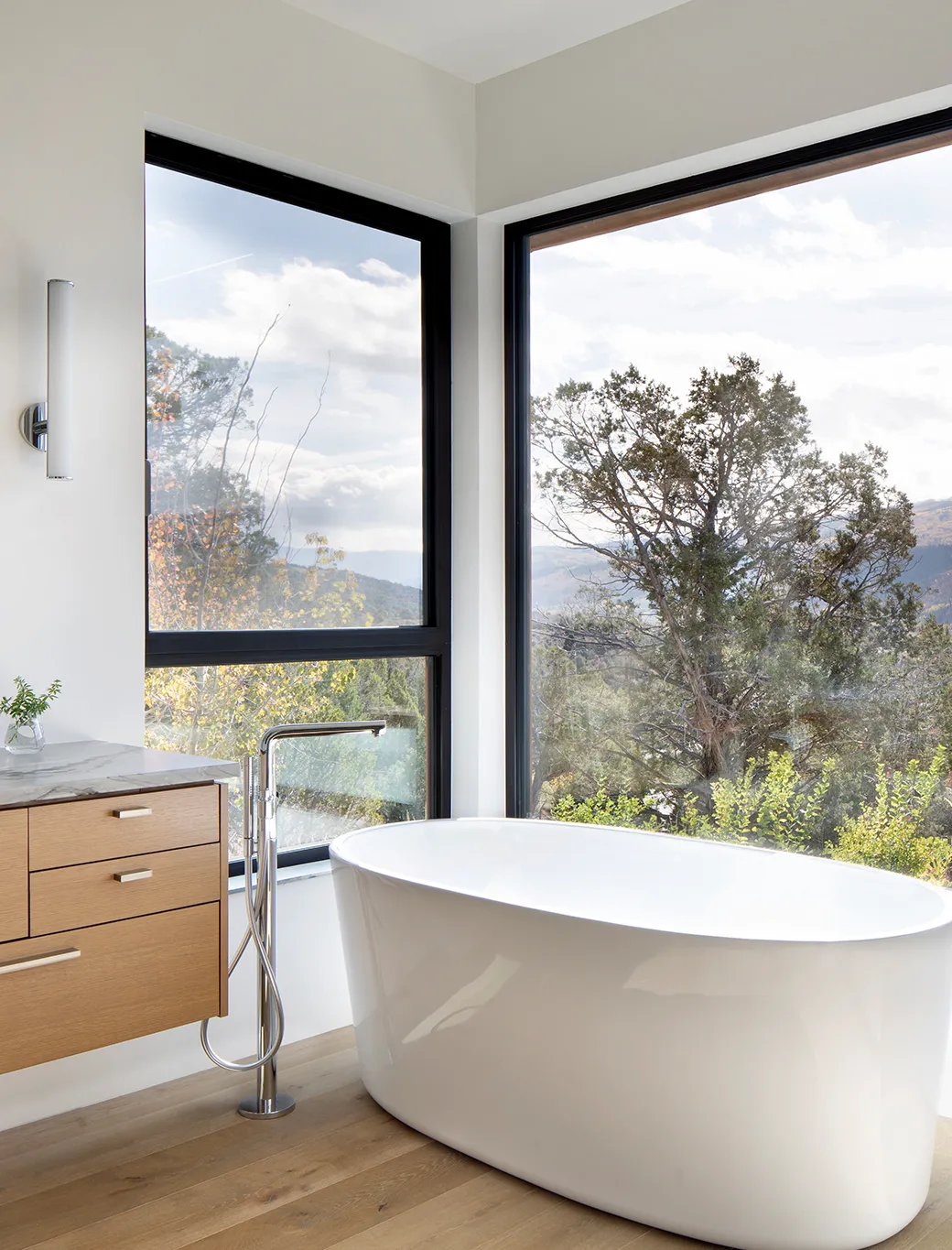
Fenetre Header Juniper 0061

Find the right type of windows for you in 4 easy steps.
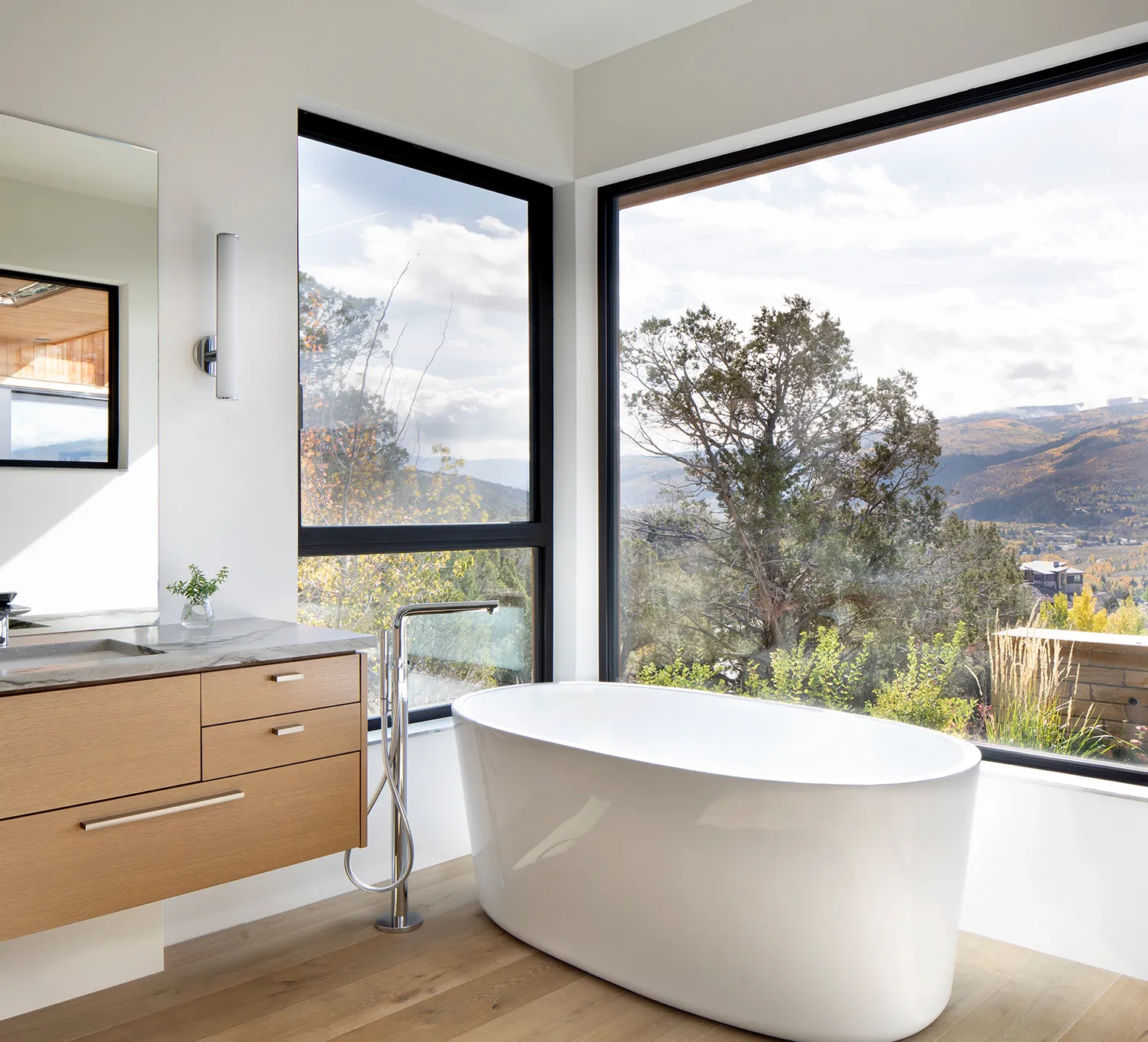
Fenetre Header Juniper 0061

Find the right type of windows for you in 4 easy steps.

Fenetre Header Juniper 0061

Find the right type of windows for you in 4 easy steps.

Fenetre Header Juniper 0061

Find the right type of windows for you in 4 easy steps.

Fenetre Header Juniper 0061

Find the right type of windows for you in 4 easy steps.

Fenetre Header Juniper 0061

Find the right type of windows for you in 4 easy steps.

Fenetre Header Juniper 0061
Folding Doors Garage doors
Porte Header Novatech Pure2
Facade Reynaers129548 Header Secondaire

Choosing the Right Low-E Glass for Better Comfort

Photo by Coen Staal
Photo by Coen Staal
Photo by Kateryna Hliznitsova

When shopping for windows, you often hear terms such as energy-efficient glass, double glazing, triple glazing, or high-performance windows. These concepts are important, but they do not tell the whole story.

Two windows may both be marketed as “energy-efficient,” yet provide very different levels of comfort depending on the type of glass, the Low-E coating selected, solar heat gain, the orientation of the home, and the overall glazing configuration.

This is where many homeowners get caught off guard.

The best energy-efficient glass is not always the one that allows the most heat into the home. Nor is it automatically the one that blocks the most sunlight. The right glass is the one that creates the best balance between insulation, natural light, solar control, and indoor comfort.


What Is Energy-Efficient Glass?

Energy-efficient glass is glazing designed to improve the thermal performance of a window. Its purpose is generally to reduce heat loss during the winter, improve comfort near the window, and, depending on the type of glass selected, better control heat from the sun.

However, there are several types of energy-efficient glass.

Some are designed to allow more solar heat into the home. Others are designed to limit it. Some seek a balance between natural light, a neutral appearance, insulation, and solar control.

That is why you should not simply ask:


“Is this energy-efficient glass?”


Instead, you should ask:


“What type of energy-efficient glass is best suited to my home?”


The Role of Low-E in Energy-Efficient Glass

Low-E is a microscopic coating applied to the glass. It helps manage heat transfer more effectively.

Its role is important because it influences both the insulating performance of the window and the amount of solar heat that enters the home.

But not all Low-E coatings perform the same function.

A high-solar-gain Low-E coating allows more heat from the sun to enter the home. It can be beneficial in certain situations, particularly when homeowners want to take advantage of solar warmth during the winter months.

A low-solar-gain Low-E coating limits the amount of heat that passes through the glass. It may be preferable in rooms with significant sun exposure, large glazed areas, or orientations where overheating becomes a concern.

The difference may sound technical, but it is experienced very tangibly in everyday life.


The Trap of Thinking “More Solar Heat Means Better Glass”

In Canada, it is tempting to assume that energy-efficient glass allowing more solar heat into the home is automatically the best option.

That is not always true.

In rooms with large south-, southwest-, or west-facing windows, high solar gain can create excessive heat. In winter, this may sometimes feel pleasant. However, in a well-insulated home or in spaces with extensive glazing, that heat can quickly become uncomfortable.

During the summer, the issue becomes even more obvious. The sun can raise indoor temperatures, increase air-conditioning use, and make certain rooms less enjoyable.

The right energy-efficient glass must therefore be selected according to the specific context. It should help keep the home comfortable—not simply deliver impressive performance ratings on paper.


High Solar Gain or Low Solar Gain: What Is the Difference?

Solar gain refers to the amount of heat from the sun that passes through the glazing. It is also known as the SHGC, or Solar Heat Gain Coefficient.

A higher solar gain allows more heat into the home.

A lower solar gain limits that heat to a greater extent.

Neither option is automatically better. Everything depends on the window orientation, the amount of glazing, the room itself, and the desired outcome.

In some situations, homeowners want to benefit from solar warmth. In others, they want to prevent overheating. The right choice is rarely the same throughout the entire house.


The Main Low-E Glass Options Offered by Isothermic

At Isothermic, the choice of energy-efficient glass should never be made by default. It should be tailored to the project, the orientation of the windows, the thickness of the glass, and the level of comfort being sought.


Low-EType of energy efficient glassPrimary functionWhen it may be appropriateConsiderations
ClimaGuard 80/71High solar gainAllows more natural light and more solar heat into the homeCertain colder orientations or areas less prone to overheatingMay generate excessive heat in large south-, southwest-, or west-facing glazed areas
ClimaGuard 70Low solar gainProvides better control of solar heat gainSun-exposed rooms and projects where summer comfort is a priorityAllows less free solar heat gain than a high-solar-gain Low-E coating
SunGuard SN 68Low solar gainOffers a good balance between daylight transmission, a neutral appearance, and solar controlWhen 6 mm glass is requiredShould be evaluated based on glass thickness and the final glazing configuration
SunGuard SNX 62/27Enhanced Low Solar GainFurther reduces solar heat gainMore specific applications where overheating is a major concernMay further reduce solar heat gain and alter the balance between daylight and warmth
Cardinal 366Low solar gainProvides strong solar control while maintaining good visibilityCommonly used, but relevant when heat control is a top priorityShould be assessed based on the overall sealed unit configuration


ClimaGuard 70 and SunGuard SN 68 can often serve a similar purpose within a project. Their use depends in part on the thickness of the glass. ClimaGuard 70 can be applied to 3 mm, 4 mm, and 5 mm glass, whereas SunGuard SN 68 is used on 6 mm glass.

This detail is important: energy-efficient glass should not be selected solely based on its name. It should be chosen according to the actual composition of the window being manufactured.


The Same Energy-Efficient Glass Everywhere? Often a Mistake

A home does not have the same needs on its north, south, east, and west exposures.

On the north side, solar gain is limited. The primary objective is often to reduce heat loss and improve comfort near the window.

On the south side, the sun can be beneficial during the winter, but it must be properly controlled, especially when large glazed areas are involved.

On the west side, late afternoon sun can create significant overheating, particularly in the summer.

On the east side, morning solar gain is often easier to manage, but it still depends on how the room is used.

A west-facing bedroom, a heavily glazed south-facing living room, and a north-facing bathroom should not necessarily receive the same glazing specification.

Using the same glass throughout the house simplifies the quotation process. However, it is not always the best decision for comfort.


Double Glazing, Triple Glazing, and Two Low-E Coatings: Why Composition Matters


Triple glazing does more than simply add a third pane of glass.

It also makes it possible to fine-tune the performance of energy-efficient glazing. With three panes of glass, it becomes possible to use two Low-E coatings within the same sealed unit.

This approach can improve thermal insulation, provide better control of solar heat gain, enhance comfort near the window, and maintain a more stable indoor temperature.

This is a point that is often misunderstood.

Triple glazing is not automatically better simply because it has three panes of glass. It becomes truly beneficial when its composition is carefully designed: the type of Low-E coating, the placement of the coatings, glass thickness, gas fill, spacers, and frame performance all matter.

The real question, therefore, is not simply:


"Double glazing or triple glazing?"


The real question is:


"What energy-efficient glazing configuration best suits your home?"


Simple Examples to Help You Make the Right Choice

In a living room with large southwest-facing windows, high-solar-gain glass may cause the space to become excessively warm. Low-solar-gain energy-efficient glass can improve comfort, especially later in the day.

In a west-facing bedroom, solar control may be more important than solar gain. No one wants a bedroom that accumulates too much heat before bedtime.

In a north-facing window, the challenge is different. Direct sunlight is limited. The glazing choice should primarily help reduce heat loss and improve comfort near the window.

In a highly efficient or very well-insulated home, solar gain selection becomes even more important. Heat that enters the home can remain there for a long time. What appears to be an advantage can become a problem if the glass is not suited to the application.


Questions to Ask Before Choosing Energy-Efficient Glass


Before selecting glazing, it is important to ask the right questions:


  • What is the orientation of the window?
  • What is the size of the glazed area?
  • Is it a bedroom, living room, kitchen, or another highly exposed space?
  • Is the goal to maximize solar gain or increase solar control?
  • Is the project using double glazing or triple glazing?
  • Would two Low-E coatings help achieve the right balance?
  • Does the glass selection consider summer comfort as much as winter comfort?


These questions are far more useful than simply asking:


"Which glass is the most efficient?"


Conclusion: The Best Energy-Efficient Glass Is the One That Solves the Right Problem


A high-solar-gain energy-efficient glass can be an excellent choice. But it can also be the wrong choice if it is used in the wrong place.

Low-solar-gain energy-efficient glass can be essential for controlling overheating, especially in large glazed areas or highly exposed orientations.

Triple glazing allows you to go even further when it is properly configured, particularly by using two Low-E coatings to achieve a better balance between insulation, natural light, and solar control.

True performance does not come from a single number. It comes from making a coherent choice between the glass, the Low-E coating, the orientation, the room, and the desired level of comfort.

At Isothermic, this philosophy guides every glazing recommendation: not choosing the most popular glass, but choosing the glass that is most appropriate for the building, the climate, and the way people actually live inside their homes.