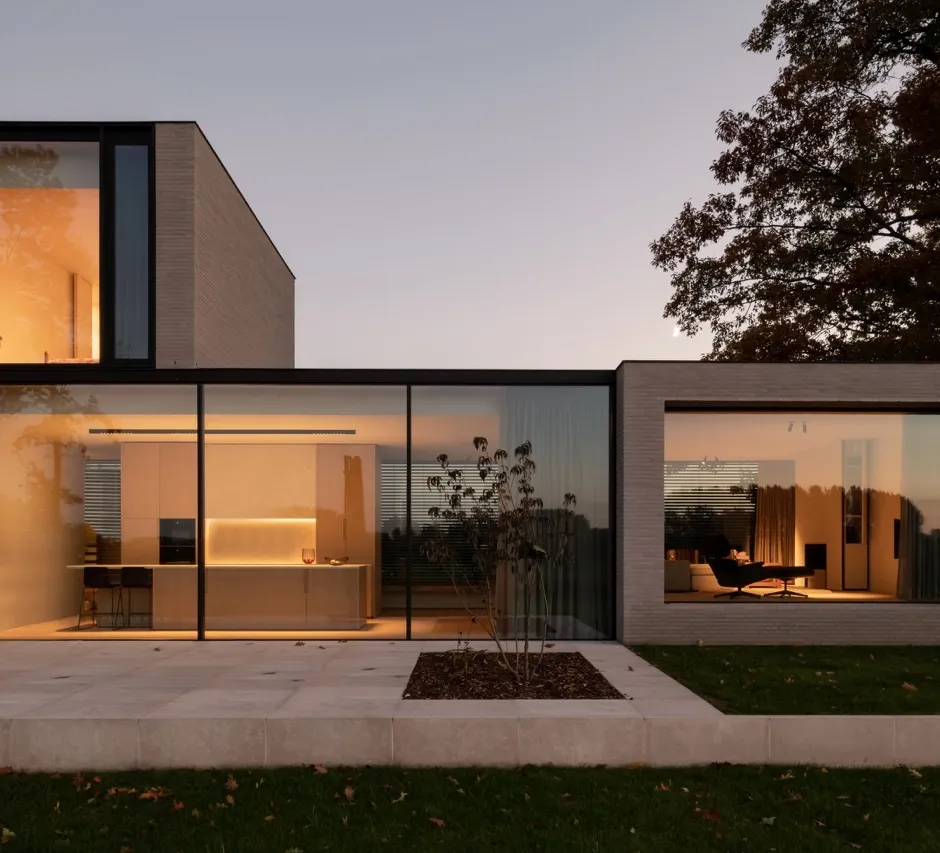
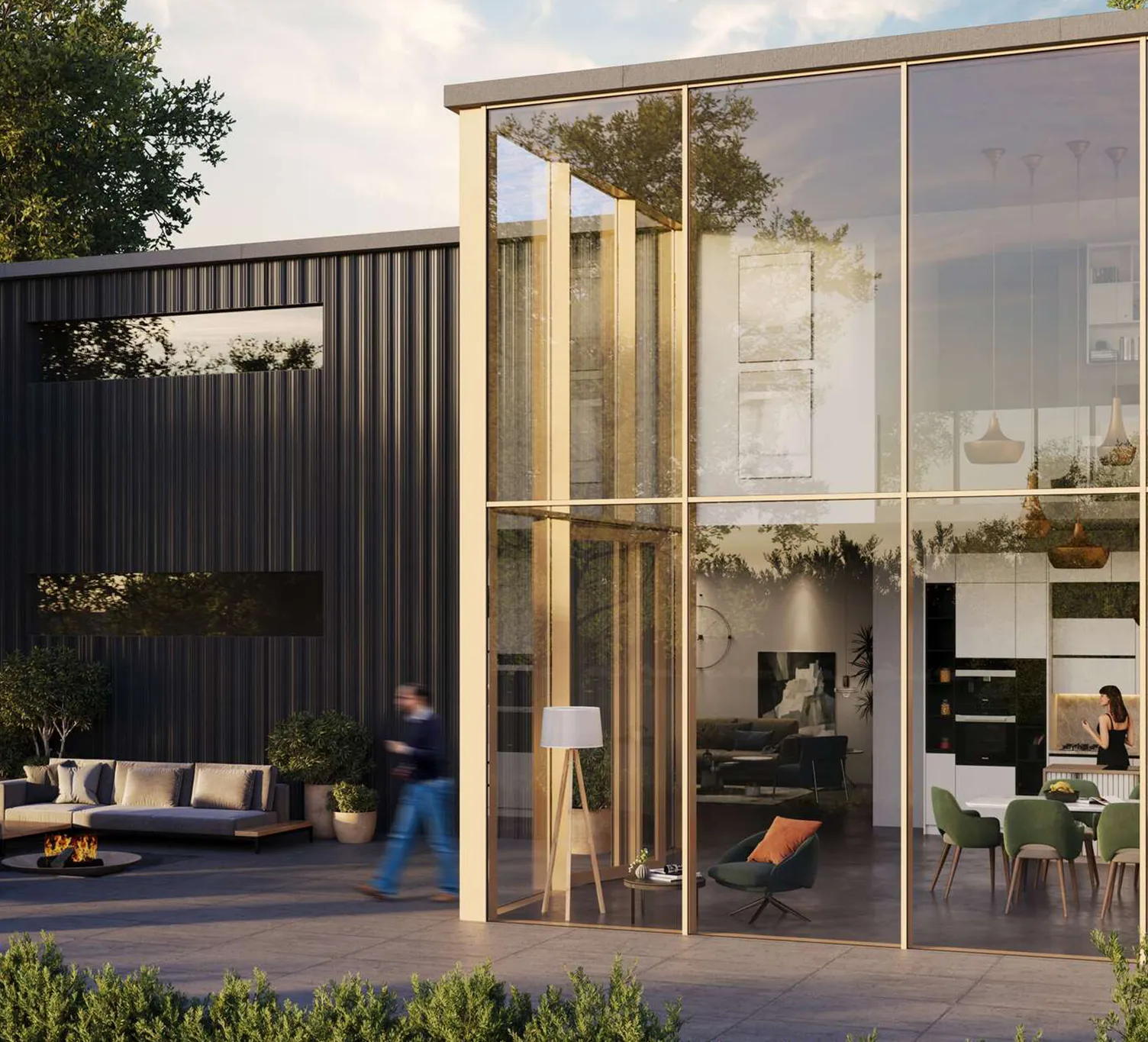
Wood Windows Hybrid Windows Double Hybrid Windows

Find the right type of windows for you in 4 easy steps.
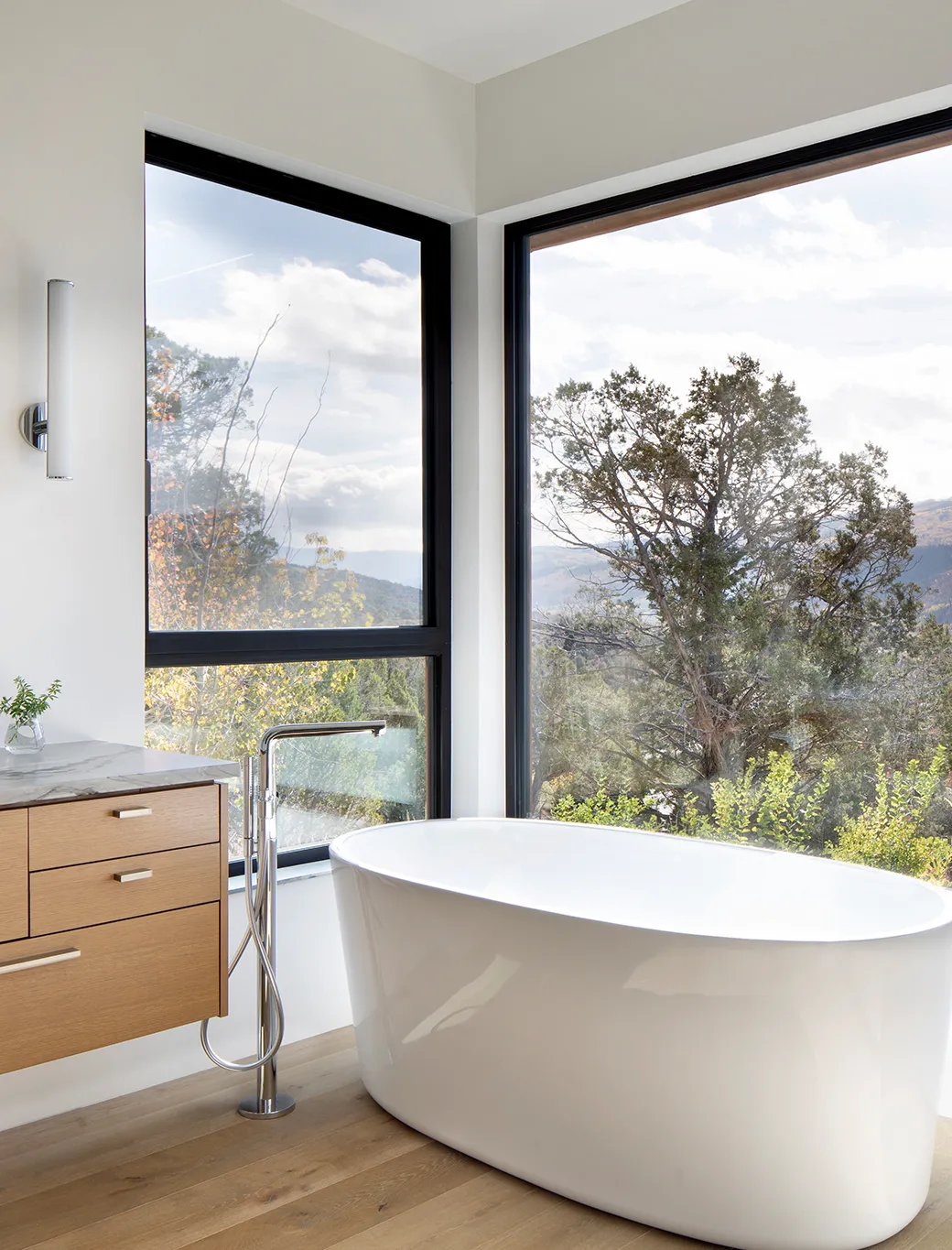
Fenetre Header Juniper 0061

Find the right type of windows for you in 4 easy steps.
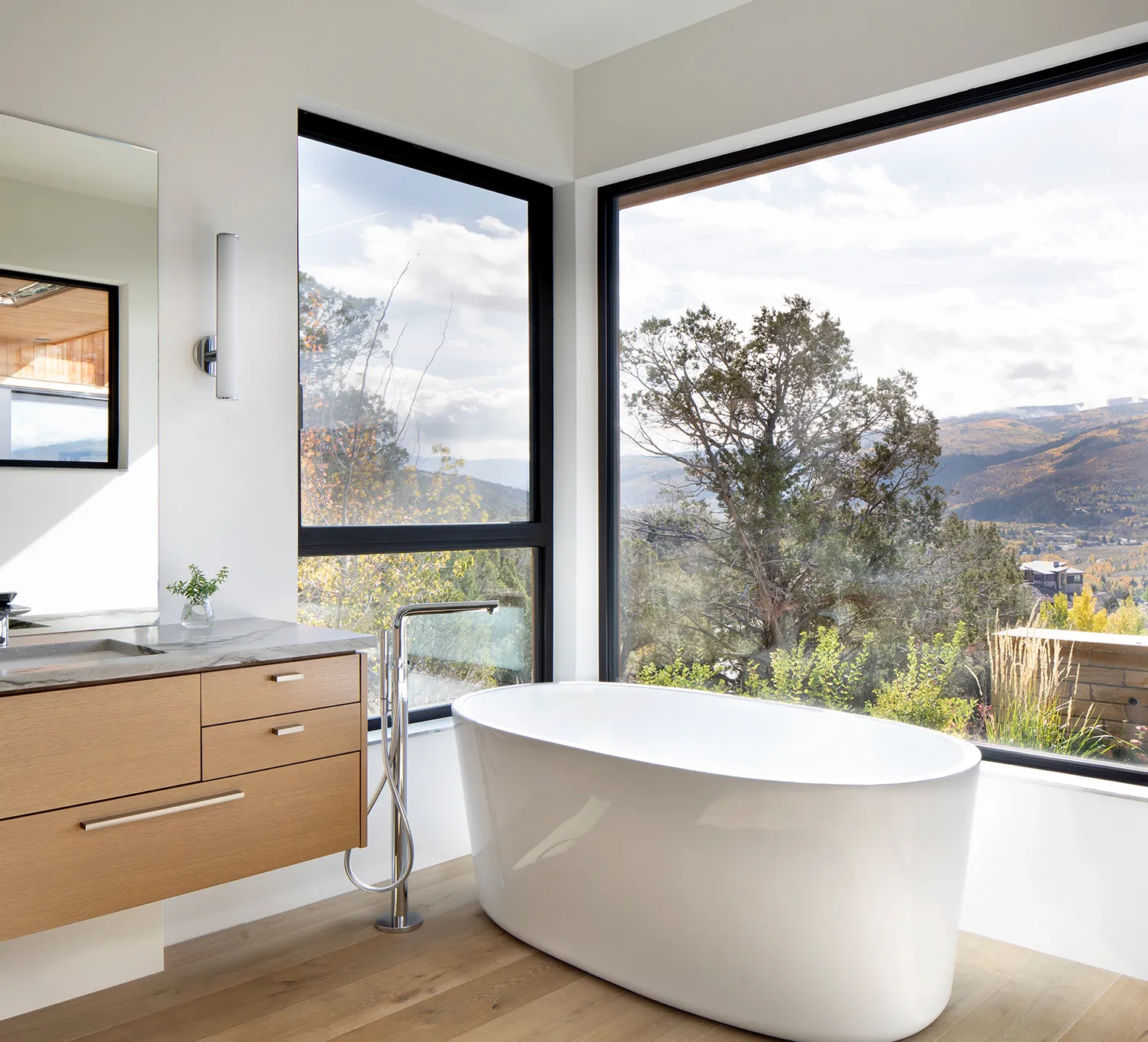
Fenetre Header Juniper 0061

Find the right type of windows for you in 4 easy steps.

Fenetre Header Juniper 0061

Find the right type of windows for you in 4 easy steps.

Fenetre Header Juniper 0061

Find the right type of windows for you in 4 easy steps.

Fenetre Header Juniper 0061

Find the right type of windows for you in 4 easy steps.

Fenetre Header Juniper 0061

Find the right type of windows for you in 4 easy steps.

Fenetre Header Juniper 0061
Folding Doors Garage doors
Porte Header Novatech Pure2
Facade Reynaers129548 Header Secondaire

Painted PVC, Laminate Finishes, or Aluminum-Clad Hybrid Windows: Why Exterior Colour Should Never Be a Compromise
Double Hybride 17 scaled

Choosing the colour of your windows often seems like a purely aesthetic decision. Homeowners think about the style of the house, the colour of the exterior cladding, the contrast with brick or stucco, and the architectural effect they want to achieve. But when it comes to PVC windows, exterior colour is not only a matter of design. It is also a matter of heat, stability, durability, and long-term performance.

At Isothermic, we made a clear decision years ago: we no longer paint exterior PVC surfaces. Not because painted finishes cannot look beautiful initially, but because our goal is not to manufacture a window that simply looks good on the day it is installed.

Our goal is to manufacture products that last.


The Challenge with Painted PVC: Heat

PVC is an excellent material for manufacturing windows. It offers strong thermal insulation, does not rust, requires little maintenance, and performs very well in the Québec climate when properly engineered.

However, PVC has one important limitation: it reacts to heat.

When white PVC is exposed to sunlight, it absorbs relatively little heat. When a dark exterior paint is applied to that same PVC, the situation changes. Dark colours absorb more solar radiation, which can significantly increase surface temperatures.

And the higher the surface temperature, the greater the stress placed on the material.


Over time, this can contribute to:

  • Frame distortion
  • Loss of straightness and dimensional stability
  • Opening and closing issues
  • Increased stress on welded corners
  • Additional pressure on the glazing
  • Premature deterioration of the exterior appearance
  • Less consistent long-term performance


From the customer's perspective, the result at the time of purchase is a beautiful colour.

But the real question is different:

How will that colour perform after several summers, multiple freeze-thaw cycles, and years of solar exposure?


Painting Exterior PVC Is Not the Same as Painting a Wall

A common misconception is that a painted PVC window behaves like painted trim, an interior door, or an exterior wall.

It does not.

A window is a technical product. It must remain straight, weather-tight, stable, and functional despite:

  • Temperature fluctuations
  • Solar exposure
  • Wind loads
  • Rain
  • Freezing conditions
  • Material expansion and contraction
  • Repeated opening and closing cycles
  • Structural loads applied to the frame and glazing


Paint adds an aesthetic layer, but it does not address the fundamental issue: the PVC beneath the paint is still subjected to higher thermal stresses when covered with a dark colour.

That is why seemingly simple solutions deserve careful consideration.

A window may look beautiful at first.

But that is not enough.

It also has to remain stable.


Laminate Finishes: A More Thoughtful Approach to Exterior Colour

Lamination takes a different approach.

Instead of simply applying paint to PVC, a specialized exterior-grade film is used. This film is engineered to provide greater resistance to UV exposure, heat, fading, and the demands of harsh climates.

Lamination delivers a finish that is more durable and more controlled than paint applied to the surface.


Its advantages include:

  • A more uniform finish
  • Better resistance to fading
  • A more stable appearance over time
  • More refined textures and finishes
  • Better alignment with architectural colour palettes
  • A more consistent approach for a window designed to last


At Isothermic, we chose to incorporate lamination into our product offering because it better aligns with our philosophy: providing colour without compromising product durability.

Colour should never be a shortcut.

It should be a finish designed to last as long as the window itself.


Aluminum-Clad Hybrid Windows: The Most Robust Exterior Solution


Another option is the hybrid window with aluminum exterior cladding.

In this design, PVC continues to serve as the insulating and structural component on the interior, while aluminum protects the exterior of the window.


This is a particularly effective approach because it separates the functions of each material:


  • PVC contributes to thermal insulation
  • Aluminum protects the exterior
  • The coloured finish is applied to a material better suited for outdoor exposure
  • The product gains strength and dimensional stability
  • The architectural appearance remains durable over time


Aluminum is especially well suited when the goal is to achieve:


  • Dark exterior colours
  • A more contemporary appearance
  • Enhanced exterior durability
  • A premium finish
  • A longer-lasting solution for façades with significant sun exposure


For many projects, a hybrid window is therefore a better choice than simply painting PVC.

It is not just a question of cost.

It is a question of risk.


The Trap of Initial Cost

Painted PVC can appear attractive because it may provide an exterior colour option at a lower upfront cost.

But the initial cost does not tell the whole story.

A window that warps, ages poorly, changes appearance, or develops operational issues can ultimately cost far more than a better-engineered solution selected from the beginning.

This is often where homeowners get caught.

They compare one colour to another.

But they do not always compare:


  • The application method
  • Heat performance
  • Material stability
  • UV resistance
  • Actual warranty coverage
  • Colour limitations
  • The risk of deformation
  • Finish durability
  • Long-term performance after 5, 10, or 15 years


A window is not a disposable product. It is part of the building envelope. It must protect the home, maintain interior comfort, and preserve its integrity for years to come.

That is why choosing an exterior finish deserves more consideration than a decision based solely on colour and price.


The Right Questions to Ask Before Buying Coloured Windows

Before purchasing a PVC window with an exterior colour finish, it is important to ask the right questions.


Is the colour painted directly onto the PVC, or is it a specialized laminate finish?

This distinction matters. Surface-applied paint and exterior-grade laminate finishes do not perform the same way over time.


Does the manufacturer restrict certain dark colours based on solar exposure?

If the answer is no, caution is warranted. Dark colours absorb more heat. A reputable manufacturer should be able to explain the limitations of the product.


What warranty applies to the exterior finish?

It is not enough to ask whether the window is covered by a warranty. Ask specifically what is covered: fading, peeling, blistering, deformation, labour, replacement, and any exclusions related to solar exposure.


Was the product designed for this finish, or simply adapted to offer more colour options?

This is probably the most important question. A durable window is not simply a white window with colour added at the end of the manufacturing process. The exterior finish should be an integral part of the product design.


Why Isothermic No Longer Paints Exterior PVC

At Isothermic, we believe a quality window should be beautiful, high-performing, and durable.

That is why we made the decision years ago to stop painting exterior PVC.

We could have continued doing it. It is an easy solution to sell. It allows manufacturers to offer a wide range of colours quickly. It can appear attractive in the short term.

But it does not align with the way we build products.

Painted exterior PVC can create a risk of heat-related deformation, particularly with darker colours and high levels of solar exposure. For us, that risk is unacceptable when better alternatives are available.


Instead, we prefer to guide our customers toward more durable solutions, such as:

  • Specialized exterior laminate finishes
  • Hybrid windows with aluminum cladding
  • Aluminum systems for architectural projects
  • Products designed from the outset to deliver colour, stability, and performance


Our position is simple:

Colour should never weaken the window.


Conclusion: A Beautiful Window Should Also Age Well

A coloured window can dramatically transform the appearance of a home. It can add character, modernize a façade, and create a more distinctive architectural statement. But immediate appearance should not be confused with long-term durability.

Painted exterior PVC may seem attractive at first, but it carries risks that homeowners should understand before making a decision. Laminate finishes and aluminum-clad hybrid windows are more robust solutions for those seeking exterior colour that is durable, stable, and better suited to real-world conditions.


At Isothermic, our goal is not simply to offer more options.

Our goal is to offer the right options.

Because a window should not only look beautiful on the day it is installed.

It should remain a good decision for many years to come.