Wood Windows Hybrid Windows Double Hybrid Windows

Find the right type of windows for you in 4 easy steps.
Fenetre Header Juniper 0061

Find the right type of windows for you in 4 easy steps.
Fenetre Header Juniper 0061

Find the right type of windows for you in 4 easy steps.

Fenetre Header Juniper 0061

Find the right type of windows for you in 4 easy steps.

Fenetre Header Juniper 0061

Find the right type of windows for you in 4 easy steps.

Fenetre Header Juniper 0061

Find the right type of windows for you in 4 easy steps.

Fenetre Header Juniper 0061

Find the right type of windows for you in 4 easy steps.

Fenetre Header Juniper 0061
Folding Doors Garage doors
Porte Header Novatech Pure2

Window Renovation: Key Considerations for a Successful Upgrade
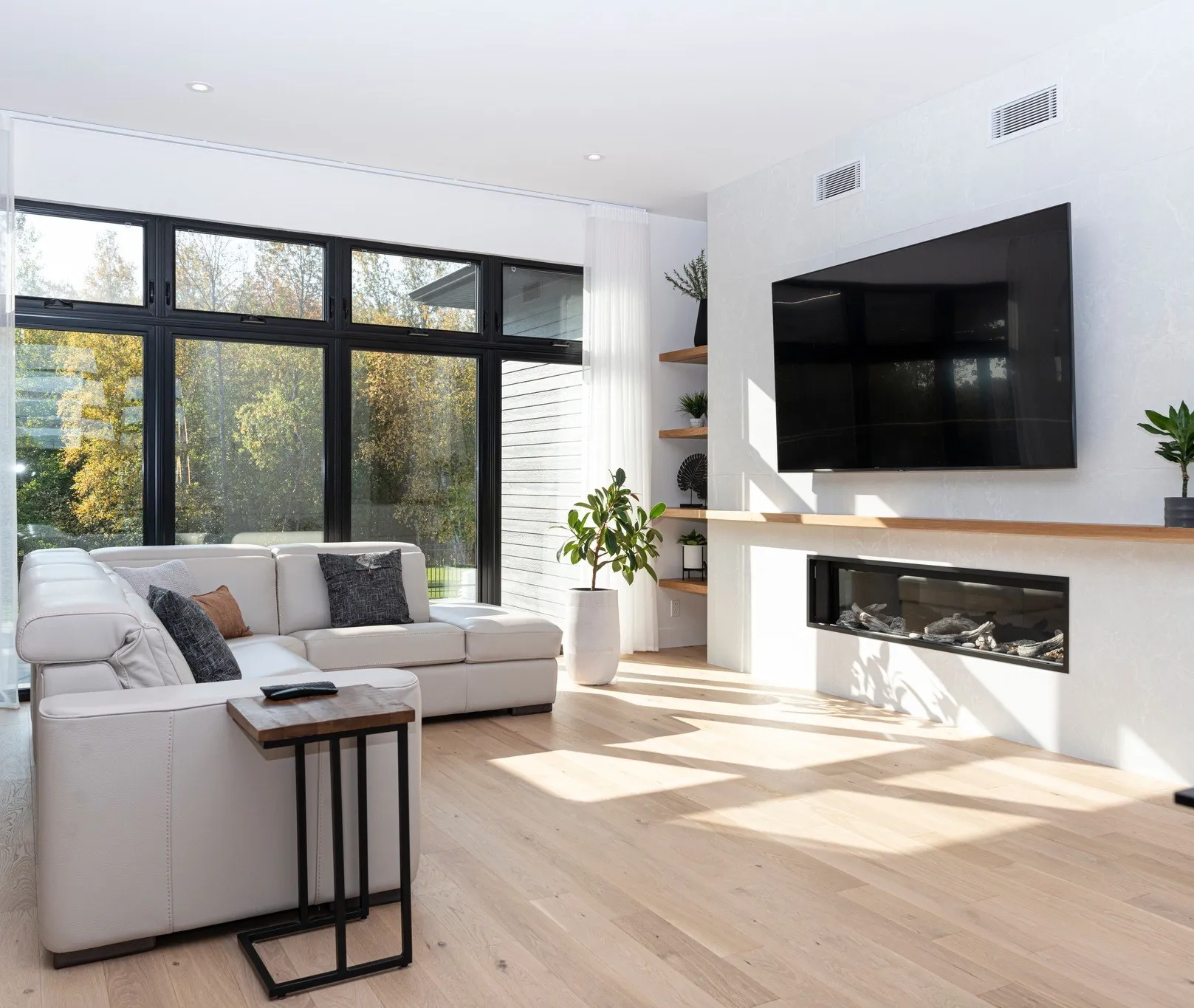
Salon

Renovating windows in a building or residence is a smart investment that can significantly improve energy efficiency, aesthetics, and overall property value. This process requires careful planning and thoughtful decision-making to ensure the new windows meet both functional and design expectations—which is why our team is happy to support you at every stage of the process.

Salon

Whether your goal is to reduce energy costs, improve occupant comfort, or modernize the exterior of your property, here are some essential factors to keep in mind.

1. Energy Efficiency

Energy efficiency is the cornerstone of modern renovations. Today’s windows offer advanced features that can significantly reduce heating and cooling costs. At a time when every action matters in reducing our environmental footprint, window performance is a top priority for many homeowners.

Key elements to consider include:

Insulation and U-Factor

The U-factor measures a window’s insulating capacity. Lower U-values indicate better insulation and help maintain a consistent indoor temperature. Double- and triple-glazed windows are particularly effective at minimizing heat loss.

Solar Heat Gain Coefficient (SHGC)

SHGC ratings help determine how much solar heat a window allows into a building. In warmer climates, lower SHGC values help reduce cooling costs, while higher SHGC values can be beneficial in colder regions by allowing more passive solar heat gain.

Low-E (Low-Emissivity) Coatings

Low-E coatings reduce heat transfer through the glass and can reflect indoor heat back into the building. This improves thermal efficiency while also protecting furniture and finishes from UV damage.

2. Material Selection and Durability

Choosing the right window frame material is essential, as it directly impacts durability, maintenance requirements, and energy performance.

  • PVC: A popular choice due to its excellent insulation properties, durability, and low maintenance. It resists corrosion, does not require painting, and is available in a variety of colors and finishes.
  • Aluminum: Strong and durable, but less insulating and more conductive to heat and cold.
  • Wood: Offers good insulation and a classic aesthetic, but requires regular maintenance.

Selecting the right material means balancing durability, aesthetics, and insulation based on your property’s specific needs.

3. Building Codes and Regulations

Compliance Matters

Before starting a window renovation project, make sure your plans comply with local building codes and regulations, and that all required permits are obtained.

4. Aesthetics and Design

Enhancing the Building’s Appeal

New windows should not only perform well but also enhance the building’s appearance.

Key considerations include:

  • Architectural harmony: Choose windows that complement the existing architectural style of the property. Custom options such as unique shapes, decorative grilles, color finishes, and laminations can enhance visual appeal.
  • Natural light: Strategically placed windows can maximize natural daylight, significantly improving the living environment for occupants.

5. Installation Considerations

Quality Installation for Long-Term Performance

Professional installation is essential to ensure windows perform as intended. Poor installation can lead to air leaks, water infiltration, and reduced efficiency. Be sure to ask about the Isothermic Certified Installation Program for peace of mind.

6. Cost and Return on Investment

Balancing Budget and Benefits

When budgeting for window renovation, consider both upfront costs and long-term benefits:

  • Energy savings: High-performance windows can significantly reduce energy bills.
  • Increased property value: Energy-efficient windows enhance a building’s market value.
  • Maintenance costs: Choosing low-maintenance windows helps reduce future expenses and inconvenience.

7. Acoustic Insulation

Creating a Quieter Indoor Environment

In noisy urban settings, windows with enhanced sound insulation can dramatically improve indoor comfort. Ask your advisor about available options to reduce noise infiltration and improve quality of life.

8. Security Features

Making Safety a Priority

Security is another important factor when renovating windows. Look for features such as:

  • Safety glass: Options like tempered glass are designed to resist impact and reduce injury risk.
  • High-quality hardware and design: Multi-point locking systems, reinforced locks, and durable hardware add an extra layer of protection against break-ins.

9. Warranty and Customer Service

Ensuring Long-Term Satisfaction

A strong warranty and reliable after-sales service are essential. A good warranty should cover defects in materials and workmanship, while responsive customer service helps resolve any issues that may arise after installation. Be sure to ask about Isothermic’s SAV+ after-sales service program.

By focusing on these key factors, you can ensure the success of your window renovation project—delivering long-term value, comfort, and performance for your home and its occupants.

We look forward to supporting you in your next project!