Wood Windows Hybrid Windows Double Hybrid Windows

Find the right type of windows for you in 4 easy steps.

Fenetre Header Juniper 0061

Find the right type of windows for you in 4 easy steps.

Fenetre Header Juniper 0061

Find the right type of windows for you in 4 easy steps.

Fenetre Header Juniper 0061

Find the right type of windows for you in 4 easy steps.

Fenetre Header Juniper 0061

Find the right type of windows for you in 4 easy steps.

Fenetre Header Juniper 0061

Find the right type of windows for you in 4 easy steps.

Fenetre Header Juniper 0061

Find the right type of windows for you in 4 easy steps.

Fenetre Header Juniper 0061
Folding Doors Garage doors
Porte Header Novatech Pure2

Why Does Condensation Sometimes Appear on the Outside of Windows?
Fenetres condencees

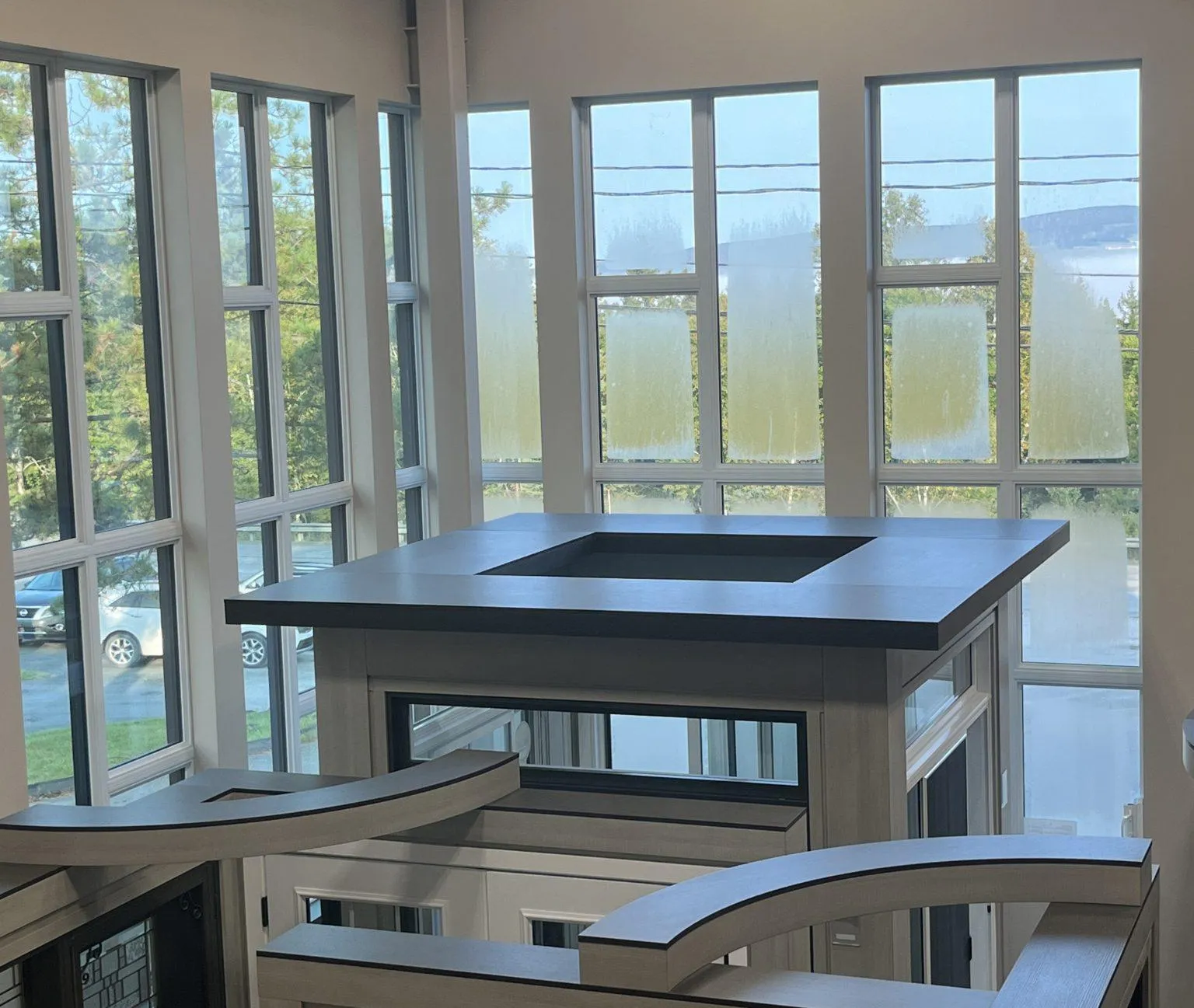
Modern windows deliver exceptional insulation performance, but you may occasionally notice a surprising phenomenon: condensation forming on the exterior side of insulated glass. Before worrying, it’s helpful to understand what’s actually happening.

Fenetres condencees

Exterior window condensation: a common phenomenon 

Exterior condensation is a natural occurrence, especially on highperformance windows such as those with double or triple glazing. While it may seem unusual, there are several reasons why condensation appears on the outside of the glass.

Why does condensation form on the exterior? 

  • High humidity levels: The dew point is the temperature at which air becomes saturated with moisture, causing condensation to form. This condensation develops more easily on the exterior surface of the glass. It is most often visible early in the morning, when conditions are ideal for dew formation.
  • Exposure to open sky: Windows facing north, east or west and exposed to a clear sky are more likely to show exterior condensation.
  • Lack of wind: When there is little or no wind, the air around the windows does not circulate enough to dissipate moisture, contributing to fogging.

It’s completely normal for this phenomenon to appear on some windows but not others in the same room — even when they are close together.

Should you be concerned? 

Condensation on the exterior side of windows is generally normal and not a cause for concern. In fact, it often indicates that your insulated glass is performing well by maintaining an effective thermal barrier between indoor and outdoor conditions.

This condensation is usually temporary and disappears as the glass warms up. It does not necessarily indicate a problem with your windows.

If condensation appears on the interior side of your windows, click here.

f you notice condensation between the panes of glass, this may indicate a seal failure in the insulated glass unit. This often means the seal has been compromised, allowing moisture to enter between the glass layers. If condensation persists between the panes, we recommend contacting our SAV+ after-sales service team (SAV+ contact details here). We’ll be happy to assess the situation and send a technician if needed.